












Concacaf Completes Portugal Technical Study Visit, Gaining International Insights to Apply Across the Region

Miami, FL – Concacaf has successfully completed a Technical Study Visit to Portugal as part of the Confederation’s ongoing efforts to support football development, coach education, talent identification, and player development across its Member Associations.
The visit provided Concacaf technical leaders the opportunity to engage with the Portuguese Football Federation, Benfica Academy, and Sporting CP Academy, gaining valuable insight into one of Europe’s most respected football development systems.
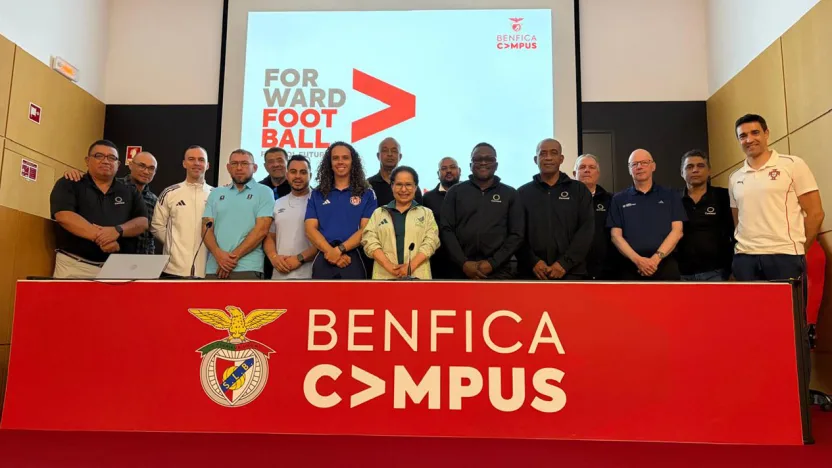
Throughout the three-day program, participants examined Portugal’s integrated approach to football development, including its governance structures, coach education model, talent identification processes, academy environments, and long-term player development pathways.
A key focus of the visit was Portugal’s coach education system, which combines regional delivery with centralized quality assurance. This model supports accessibility while maintaining consistent standards across the country, ensuring coaches are equipped to deliver meaningful learning experiences at every stage of the game.
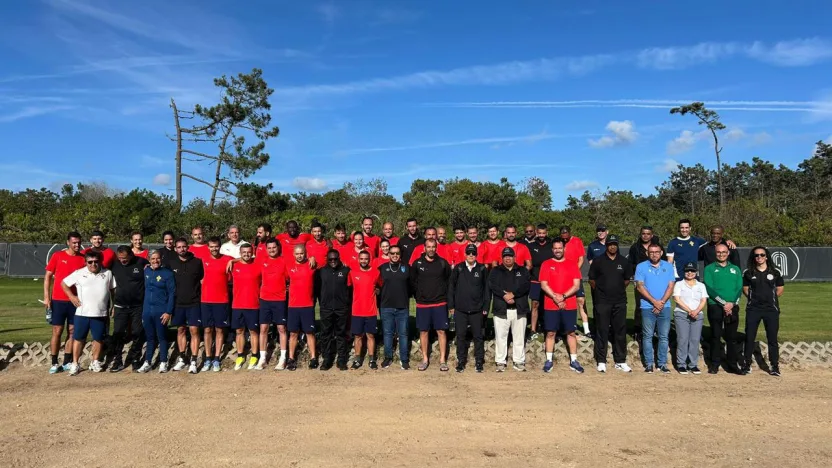
“The Portugal Technical Study Visit provided our technical leaders with an important opportunity to examine a football development system that has consistently produced elite players, coaches, and high-performance environments,” said Jason Roberts, Concacaf Chief Development Officer. “The knowledge shared by the Portuguese Football Federation, Benfica, and Sporting CP will help inform our work as we continue supporting Member Associations in strengthening their coach education, talent development, and player pathway structures.”
Visits to Benfica Academy and Sporting CP Academy offered participants a closer look at professional academy environments built around individual player development, multidisciplinary support, evidence-based decision-making, and a clear commitment to holistic growth. Both clubs demonstrated how strong methodology, modern facilities, specialized staff, and long-term planning can help prepare players to succeed at the highest levels of the game.
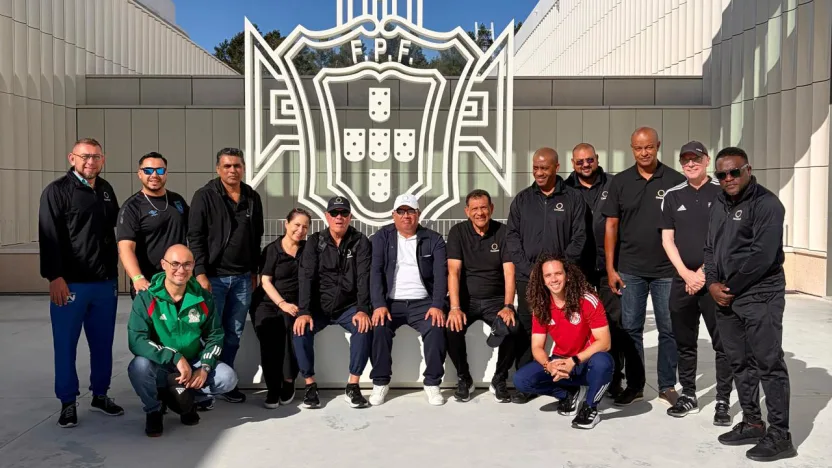
The delegation also explored comprehensive talent identification approaches that consider technical, physical, psychological, cognitive, and developmental factors. Particular attention was given to player development models that account for biological maturation, individual needs, and the importance of purposeful training and competition experiences over time.
The study visit reinforced the value of aligning federation objectives, coach education, grassroots football, talent development, and high-performance structures within a coherent national football strategy. It also highlighted the importance of football identity, cultural pride, professional standards, and continuous improvement in building sustainable development systems.